
MARCH 2026 NEWSLETTER

ASLA UTAH MARCH 2026 NEWSLETTER
LEADERSHIP EXPRESS
Jesse Allen, ASLA Utah President
As another legislative session comes to a close in Utah, professional licensure has once again been part of the broader conversation. It’s a reminder that licensure is something that gets revisited and evaluated regularly. It’s also something we don’t always talk about enough.

ASLA National continues to advocate for licensure as a foundation of the profession. All 50 states and the District of Columbia require landscape architects to be licensed to protect public health, safety, and welfare. At its core, licensure sets a consistent standard for how we practice and how we’re held accountable for the work we do.
https://www.asla.org/about/advocacy/licensure
In past newsletters, I’ve talked about how it can be more effective to explain landscape architecture by focusing on how it impacts people. It may help to talk about licensure in the same way.
1. Public Health, Safety, and Welfare
Instead of: Licensure ensures that landscape architects meet standards that protect public health, safety, and welfare.
Try: Licensure helps make sure the outdoor spaces people use every day are safe, comfortable, and designed to support how people move, gather, and spend time outside.
2. Environmental Stewardship
Instead of: Licensed landscape architects are trained in site design, grading, drainage, and environmental systems.
Try: Licensed landscape architects understand how water moves through the land, helping reduce flooding, prevent erosion, and conserve water in ways that protect communities and natural systems like the Great Salt Lake.
3. Professional Competence
Instead of: Licensure establishes accountability and reduces risk associated with improper design.
Try: Licensure helps ensure that the people designing outdoor spaces are responsible for getting it right, so communities avoid costly mistakes and end up with places that work well over time.
Each year, lawmakers look at occupational licensing, scope of practice, and how professions are regulated. Those conversations can shape how our profession is understood and how we’re allowed to contribute.
For the public, licensure builds trust. It tells people that landscape architects are trained, tested, and accountable. For our peers in architecture, engineering, and planning, it reinforces that we bring real technical depth and responsibility to the table.
For those who are already licensed, I’d encourage you to continue to communicate the value of that credential. For those working toward it, I’d encourage you to keep going. It’s an investment not just in your own career, but in the strength and credibility of the profession as a whole.
At the end of the day, licensure isn’t just a requirement. It’s part of how we build trust, strengthen recognition, and ensure that landscape architects continue to play a meaningful role in shaping the environments and communities around us.
UPCOMING EVENTS
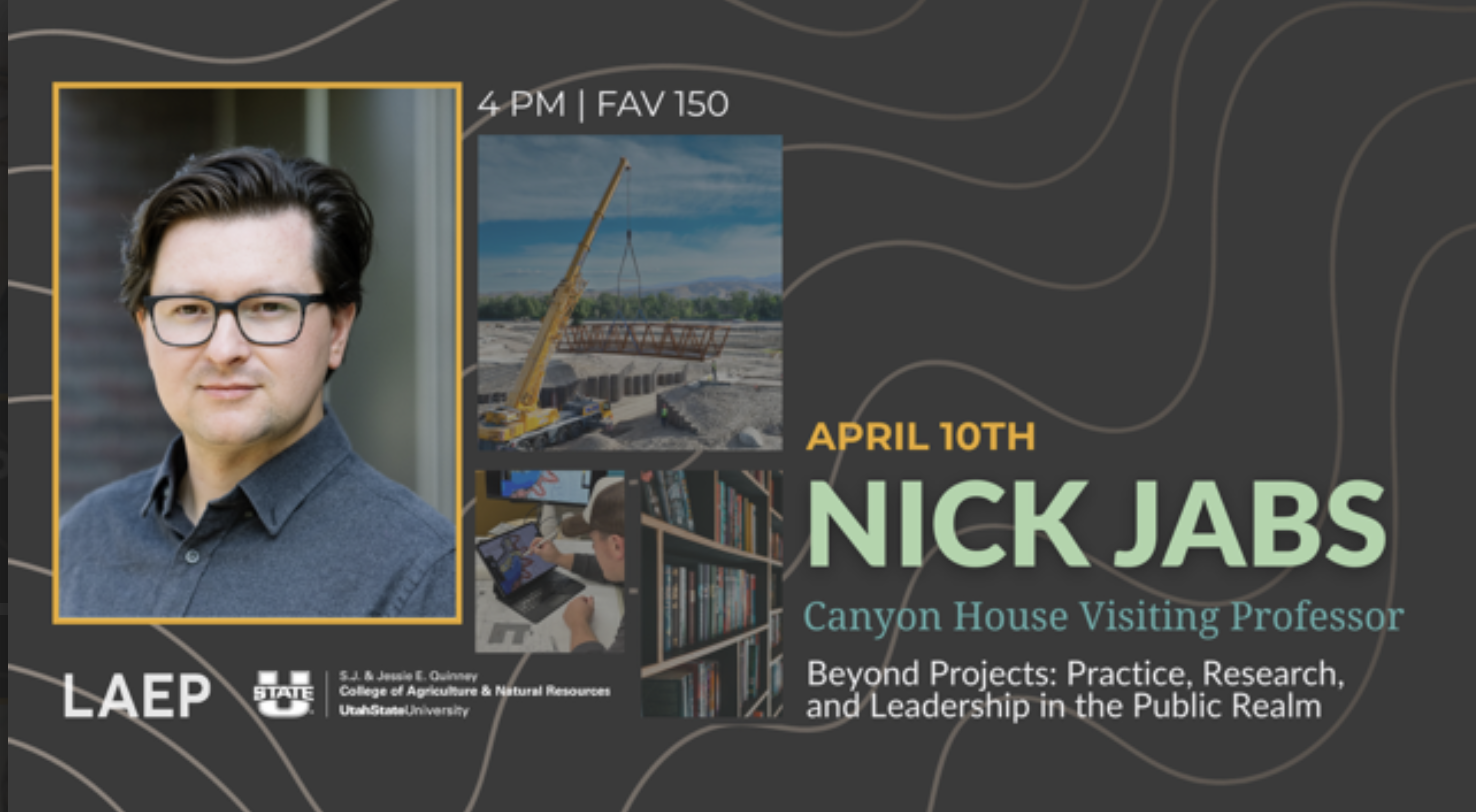
2026 ASLA Utah Annual Conference
“PERSPECTIVES IN PRACTICE”
The Salt Lake Bees Ballpark at America First Square 11111 Ballpark Dr, South Jordan, UT 84009
2026 Conference Schedule
THURSDAY, May 7th, 6:30pm - EVENING SOCIAL AND SITE TOUR 1 PDH Cove House, 6650 W Lake Ave, South Jordan Sponsored by Pikus3D.
FRIDAY, May 8th, 6:00am - SUNRISE SOCIAL AND 1K 1 PDH Heights Park/Naboo Hill, 10644 Mellow Way, S Jordan
FRIDAY, May 8th, 7:30am - CONFERENCE ON LANDSCAPE ARCHITECTURE. Title Sponsor: BioGrass 7:30am - Breakfast & Vendor Expo Lanyard Sponsor: Rain Bird & Centerpiece Sponsor: LuckyDog Rec
8:30am - Welcome & Introduction. Lars Erickson, ASLA UT Past President
9:00am - Keynote Speaker 1 PDH Kona Gray, FASLA, PLA, Immediate Past President, ASLA National
10:00am - CLARB Uniform Standard .75 PDH Zachary Druga, CLARB Member Relations & Advocacy Mgr., Scott Peters, PLA, ASLA, Principal, Sr. Landscape Architect
10:45am - Vendor Expo Break Sponsor: Maglin
11:15am - Perspectives in Practice .75 PDH. Hailey Wall, Terracon and Dave Harris, Terracon
12:00pm - ASLA Utah President Address: Jesse Allen Legacy in Landscape Architecture Award Presentation- Sumner Swaner
12:30pm LUNCH & Vendor Expo. Lunch Sponsor: Garrett Parks & Play
1:30pm - Landscapes Under Pressure: Utah’s Water Future Unpacked 1 PDH Utah Waterways Presentation & Panel: Tage Flint, Jill Flygare, Cynthia Bee
2:30pm - Daybreak 20 Year Perspective 1 PDH Larry H Miller Company & Lance Tyrrell
3:30pm - Vendor Expo
4:00pm - Conclusion & Raffle: Lars Erickson, ASLA UT Past President
4:15pm - SITE TOUR: Downtown Daybreak 1 PDH 11111 South Ballpark Way, South Jordan
5:15pm - SITE TOUR: Daybreak Parks 1 PDH Starting Point: Beach Club, 4690 W Daybreak Pkwy, S. Jordan
“Dear Landscape Architect:”
A monthly feature from ASLA Utah exploring the art, ethics, and evolving practice of landscape architecture — written to spark conversation, reflection, and renewed care in our craft.
Submit your question to dearlautah@gmail.com
Dear Landscape Architect:
“What are your favorite design/installations in Utah—especially with regard to educating people about what a Landscape Architect does?”
Thank you for this thoughtful question. Two places stand out for how they help the public understand landscape architecture—one through direct instruction, the other through lived experience: the Jordan Valley Conservation Garden Park and the Daybreak Community. Together, they show how both explicit educational tools and everyday interaction with designed environments can deepen public understanding of the environmental, functional, and social value of our field.
The Jordan Valley Conservation Garden Park offers a clear and intentional learning experience. Interpretive signage, workshops, and demonstration areas teach visitors about water conservation, soil health, drainage, plant grouping, and the use of native and adaptive species. Through these design and programming choices, the park illustrates that landscape architecture is not just aesthetic—it's about environmental planning, resource stewardship, and long-term function.
Daybreak: Design Embedded in Community In contrast, the Daybreak Community educates through daily experience. As a master-planned environment, it weaves landscape architecture principles into streetscapes, parks, trails, and water systems, showing residents—often without them realizing it—that outdoor environments are intentionally designed systems influencing how a community functions.
Stormwater as a Visible Teaching Tool: Daybreak’s stormwater system, including Oquirrh Lake, basins, and wetlands, makes environmental processes easy to see. These features show how water is captured, filtered, and returned to aquifers, offering residents direct insight into the role landscape architects play in water management—particularly vital in a dry region like Utah.
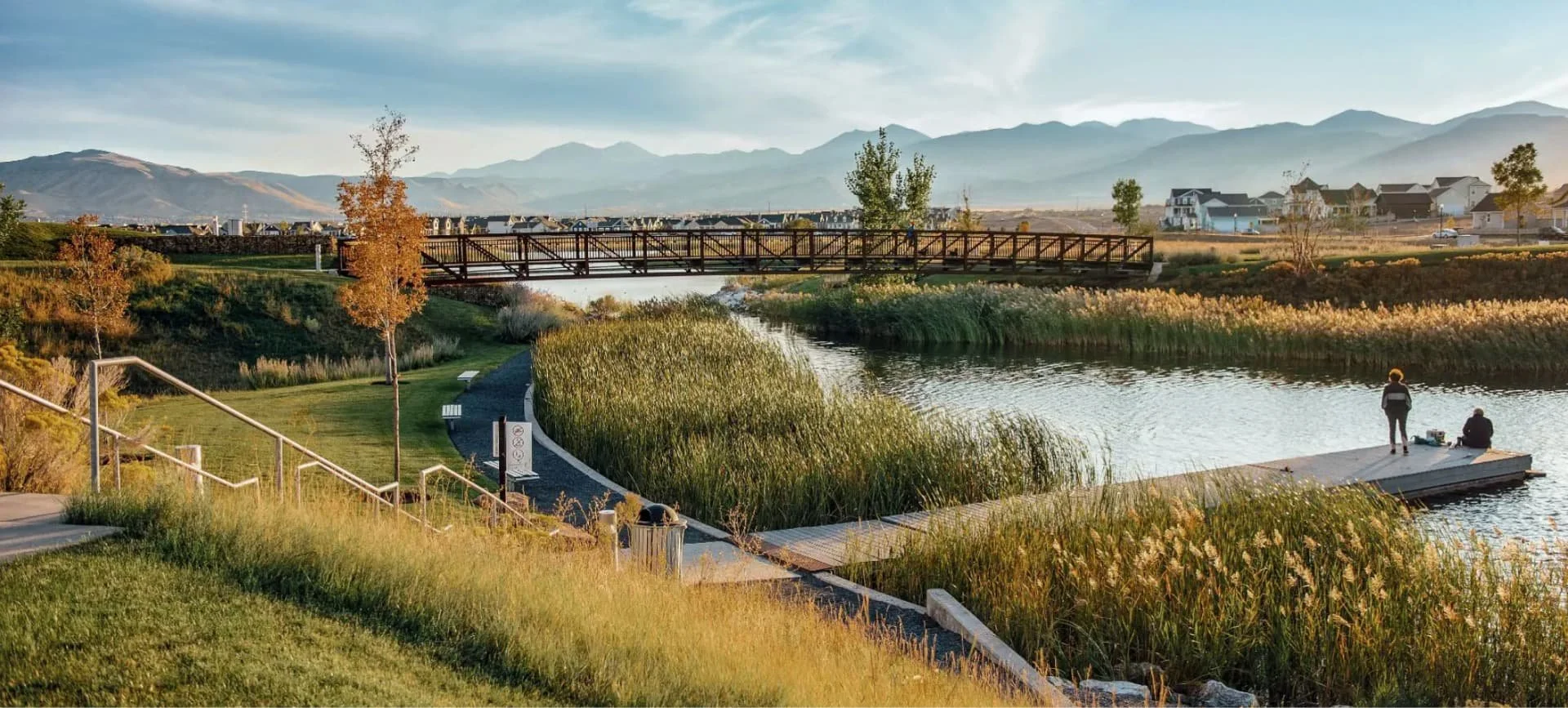
Shaping Daily Life: Walkable streets, shaded pathways, and interconnected open spaces guide movement, social interaction, and well-being. These elements demonstrate how thoughtful design supports health, nature connection, transportation, and community life.
Planning at Multiple Scales: The community also reveals the importance of planning across scales. Open space networks, green corridors, and water systems are integrated with infrastructure from the start, reinforcing the broad scope of landscape architectural thinking.
Opportunities for Clearer Public Education: While Daybreak excels in experiential learning, it lacks clear on-site interpretation. Strategic signage could help residents connect their positive experiences to the intentional work of landscape architects—for example, explaining how water-efficient landscapes lower costs, how native planting reduces maintenance, or how stormwater systems support aquifer recharge and habitat.
Teaching by Design—and by Experience: Together, Daybreak and the Jordan Valley Conservation Garden Park show the power of combining hands-on interpretation with community-scale experiential learning. Both approaches help broaden public awareness of what landscape architecture is and why it matters.
We’d love to hear what places you think teach the public about landscape architecture—and how they do it. Email your thoughts to dearlautah@gmail.com, and I may feature them in a future column.
Celebrate America’s 250th Anniversary by Completing a Historic American Landscape Survey (HALS)!
Amy Reid, HALS
Calling all history enthusiasts!
Now is your chance to contribute to the documentation of Utah’s historic landscapes. This year’s HALS theme encourages reports on “landscapes of liberty and freedom.” Across our nation landscapes of all types hold memories of the pursuit of freedom in its many forms.
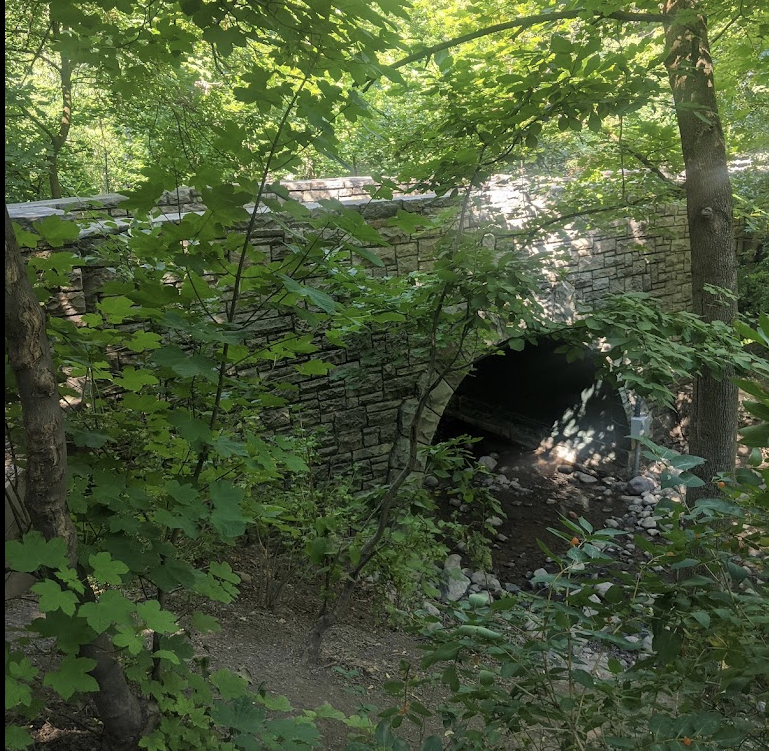
Almost daily I walk through Miller Bird Refuge in Salt Lake City, a landscape along Red Butte Creek with rustic rubble* retaining walls and beautifully crafted features including a flagstone footbridge built during the Great Depression by the Works Progress Administration (WPA). Stories of craftsmanship, struggle, hard work, and economic freedom are built into the landscape.
For me, Miller Bird Refuge is a physical reminder of how our nation freed tens of thousands of Utahns from the bonds of poverty during the darkest of times by employing skilled craftsmen and unskilled laborers to enhance parks and public spaces.
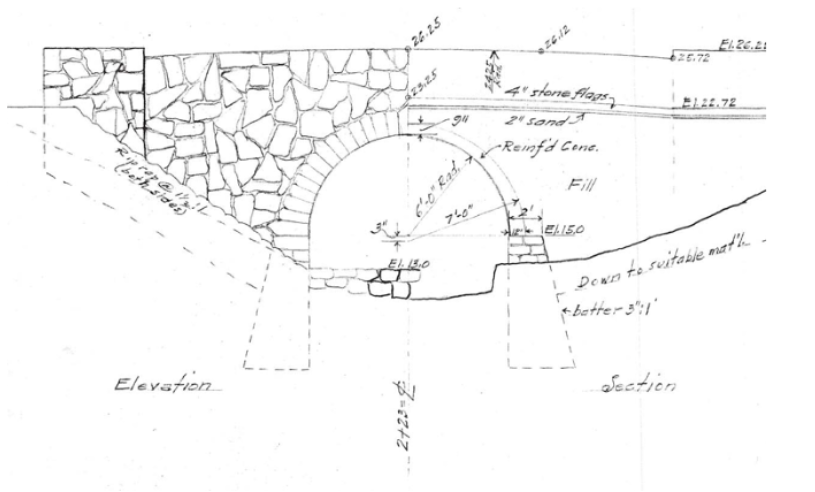
Footbridge for Lee Charles Miller Park (known today as Miller Bird Refuge), 1936. *Rubble masonry from the WPA era (1935–1943) refers to a construction technique used in New Deal public works projects, characterized by the use of irregular local stones laid together with mortar. This style is a key component of WPA Rustic architecture, designed to harmonize with the natural landscape and provide jobs to unskilled and semi-skilled laborers.
What landscape inspires you? Please consider writing a HALS to recognize it. All entries received by August 31, 2026 will be acknowledged at the ASLA conference in September. You may also submit your report to the Library of Congress archives.
Please note, this year the National Park Service is not holding a formal competition. More details can be found at: https://www.asla.org/news-insights/the-field/hals-2026-call-to-action. Contact our Utah HALS Liaison, Amy Reid, at amyreid99@gmail.com with any questions or to register your landscape so we can keep track of those being submitted.
Climate Action and Biodiversity Committee Update
Devon Dillinger, PLA, ASLA, SITES AP, Climate Action & Biodiversity Chair
Moving Climate and Biodiversity Forward in Practice
The release of the ASLA Climate and Biodiversity Action Plan (2026–2030) feels like an important step forward for the profession. It builds on the momentum already underway and focuses on something practical: how we take what we know and apply it more consistently across projects. That shift matters, especially in the Intermountain West.
In Utah and the surrounding region, water systems are under visible stress. The Great Salt Lake has become a national example of how declining water levels impact habitat, air quality, and regional health. Lake Powell has fluctuated dramatically over the past decade, exposing shoreline and changing how water is stored and managed across the Colorado River Basin. These are not isolated conditions but signals that are reshaping how we think about land, water, plants, and growth.
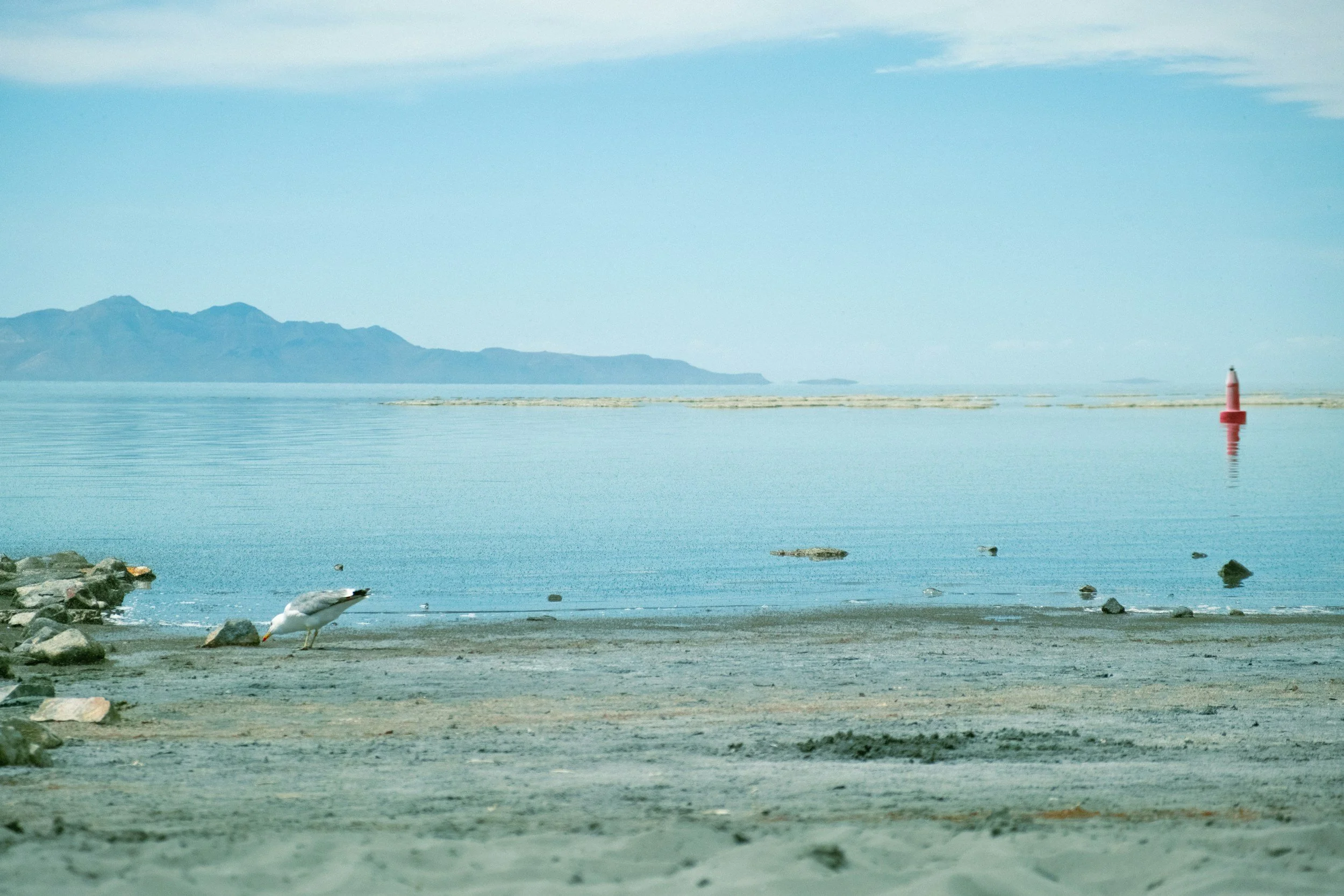
For landscape architects, this context changes how we approach site design. Water is no longer just a utility to be managed but a driver of how projects perform over time. The ASLA plan reinforces that climate and biodiversity are interconnected, and in this region, water sits at the center of that relationship. That connection shows up directly in project decisions, particularly in how we design planting, soils, and site systems.
Planting is one of the clearest examples of this shift. Native and climate adapted planting does more than reduce irrigation. It supports habitat, responds to changing conditions, and improves long term performance. Soil strategies function in the same way. When soils are treated as a system rather than a byproduct of grading, they improve infiltration, support plant health, and help stabilize landscapes in a water constrained environment. Early decisions around grading and disturbance also take on greater importance, as preserving existing systems often leads to better outcomes than replacing them.
The ASLA plan also highlights the growing importance of materials and embodied carbon. A significant portion of emissions comes from what we specify and build, which is changing how teams evaluate products. There is a greater emphasis on sourcing, lifecycle impact, and long term durability, and those conversations are happening earlier in the design process. These shifts do not require a complete reinvention of practice but instead a more consistent and informed approach to decisions that are already being made.
What makes this moment different is the level of alignment across the profession. These conversations are no longer isolated to individual projects or firms. They are becoming part of a shared direction, and as that alignment grows, expectations begin to shift. What was once considered an added effort is quickly becoming baseline.
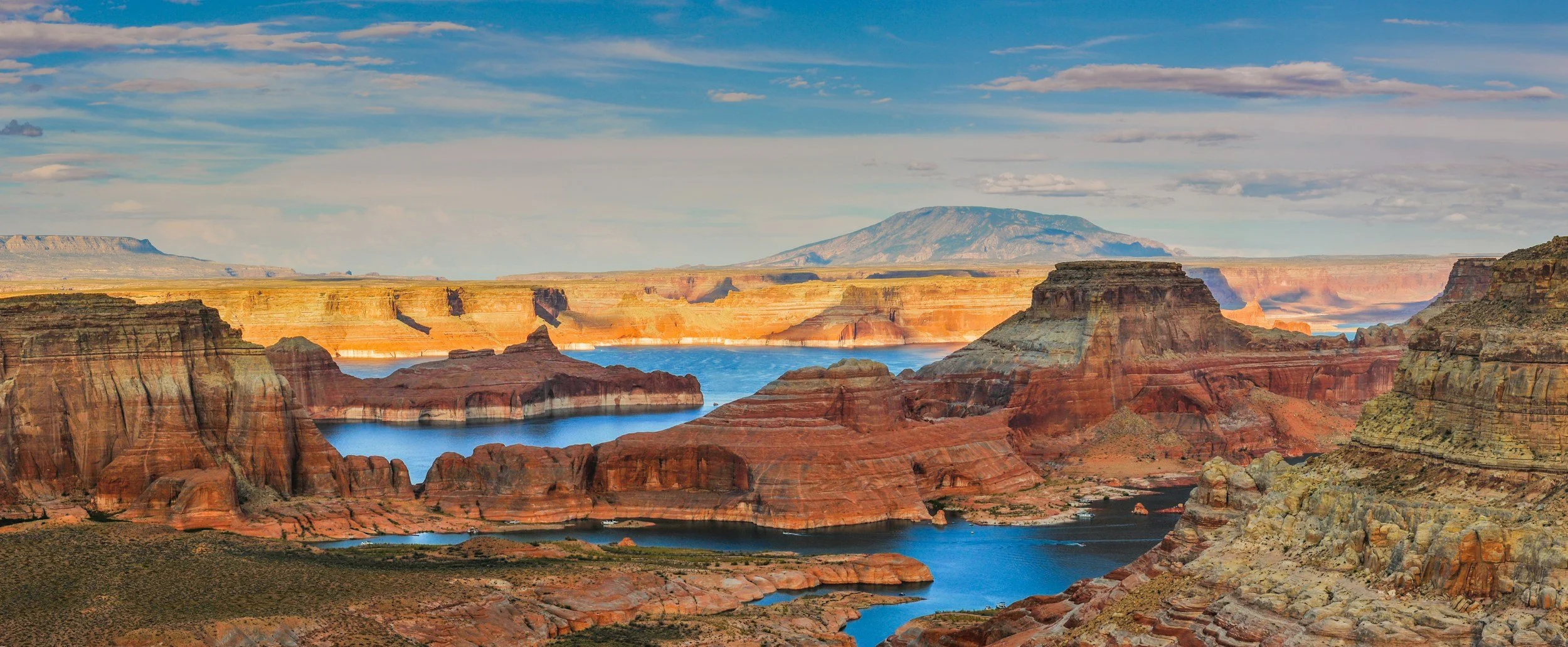
In a region shaped by water, that alignment matters. The challenges we are seeing at the Great Salt Lake, Lake Powell, and across the broader system are not going away, but they do create an opportunity to respond differently. Designing with a clearer understanding of long term systems allows projects to contribute to resilience rather than add to existing pressures.
For us, this means continuing to integrate these ideas into how we approach projects from the start. It is not a separate layer but part of the core thinking that shapes grading, planting, materials, and overall performance. The work is already happening, and the ASLA Climate and Biodiversity Action Plan helps connect it, strengthen it, and move it forward with more clarity and purpose.
Learn more about the ASLA Climate and Biodiversity Action Plan here: https://www.asla.org/focus-areas/climate-biodiversity-action/climate-and-biodiversity-action-plan- (2026-2030)
Special Thanks to ASLA Utah 2026 Sponsors & Corporate Partners for their Support!
Platinum Sponsors
BioGrass | Great Western Recreation | Rain Bird
Gold Sponsors
Belgard | Hunter/FX Luminaire | LuckyDog Recreation | MADRAX/Thomas Steele | Victor Stanley
Silver Sponsors
Berliner | Chanshare Farms | Landscape Forms | Maglin | Omega II Fence System | PlaySpace Designs | Progressive Plants | Raft River Sod | ROMEX | Sports West Construction | Utah Topsoil & Hauling Co. | Vortex Aquatic Structures
Bronze Sponsors
3Form | Amiad | Basalte | CES&R | Daltile | Fencetrac | Forms+Surfaces | GPH Irrigation | Garrett Parks & Play | Granite Seed | Hanover Architectural Product | Inman Interwest | Live Earth Products | Miller Companies | Mountainland Supply | Mountain West Precast | Musco | Netafim | Picasso Gate | Pikus3D | QCP | RepMasters | Soake Pools | Sonntag Recreation | Stepstone Inc. | SUNCORE | TORO | Tournesol | Utah Line Works
Corporate Partners